


SEEFOR 17(2): 26018
Article ID: 26018
DOI: https://doi.org/10.15177/seefor.26-018
ORIGINAL SCIENTIFIC PAPER
Analysis of Forest Fire Causes in Algeria – A Case Study of Tissemsilt Region
Belgacem Nouar1,2*, Hicham Berrabah3,4, Elhadj Tir5, Benchohra Maamar3, Ahmed Saad6, Sid Ahmed Aouadj1,2, Driss Haddouche7
Addresses:
(1) Ahmed Zabana Relizane University, Bourmadiya Neighbourhood, DZ-48000 Relizane, Algeria;
(2) Abou Bekr Belkaid University, Laboratory of Ecology and Management of Natural Ecosystems, 22, Street Abi Ayad Abdelkrim, Fg Pasteur, DZ-13000 Tlemcen, Algeria;
(3) Faculty of Life and Natural Sciences, Ibn Khaldoun Tiaret University, P.O. Box 14000, BP 78, Algiers Rd., DZ-14000 Tiaret, Algeria;
(4) Laboratory of Molecular and Cell Biology, Faculty of Life and Natural Sciences, Ibn Khaldoun Tiaret University, BP 78, Algiers Rd., DZ-14000 Tiaret, Algeria;
(5) Ahmed Draya Adrar University, VPR7+89M, N6, DZ-01000 Adrar, Algeria;
(6) University of M’sila, Faculty of Sciences, Department of Agricultural Sciences, University Pole, Road Bordj Bou Arreridj, DZ-28000 M'sila, Algeria;
(7) University of Tlemcen, Laboratory of Conservation Management of Water, Soil and Forests and Sustainable Development of Mountainous Areas in the Tlemcen Region (№ 31), DZ-13000 Tlemcen, Algeria
* Correspondence: e-mail: nouarbelgacem89@gmail.com
Citation: Nouar B, Berrabah H, Tir E, Maamar B, Saad A, Aouadj SA, Haddouche D, 2026. Analyses of Forest Fire Causes in Algeria – A Case Study of Tissemsilt Region. South-east Eur for 17(2): 26018. https://doi.org/10.15177/seefor.26-018.
Received: 22 Feb 2026; Revised: 23 Jun 2026; Accepted: 13 Jul 2026; Published online: 29 Aug 2026
Cited by: Google Scholar
Abstract
Determining the causes is the first link in the chain of fighting forest fires and the key to an effective prevention strategy. This study aims to identify the causes of forest fires in Tissemsilt (Northwest Algeria) using the Delphi method. It is based on a survey conducted exclusively among 84 forestry professionals during the two fire seasons of 2023–2024 and 2024–2025, using a face-to-face questionnaire. Twenty-four local fire causes were consolidated into 5 categories and 16 classes according to the European Forest Fire Information System (EFFIS) which utilizes two primary classification frameworks to monitor, assess, and manage wildfires across Europe, the Middle East and North Africa. The results showed that negligence was the dominant perceived wildfire cause (56.2%), followed by deliberate causes (27.0%) and accidents (12.4%), whereas rekindles (4.1%) and natural causes (0.1%) remained marginal. From the point of view of the hierarchy of most probable causes, categorized into three levels of significance, the votes of forestry experts reveal that the deliberate fires motivated by profit or benefit received the highest number of votes (60), followed by other negligent uses of fire (honey harvest with smoker and fires lit to keep away harmful animals), (50) and agricultural burnings (42), whereas fire rekindling and mental illness-related causes received the lowest number of votes (1 each). Overall, the results highlighted human-related activities, particularly negligence and deliberate actions, as the predominant perceived drivers of wildfire occurrence, emphasizing the importance of monitoring and addressing these causes to improve wildfire prevention and management strategies.
Keywords: wildfire; cause; EFFIS; survey; Delphi method
INTRODUCTION
Wildfires are a recurrent phenomenon in Mediterranean climate areas (Górriz-Mifsud et al. 2019). The climatic conditions (the driest and hottest season) and the predominance of Mediterranean type of vegetation result in fire-prone landscapes (Oliveira et al. 2018).
Each year, fires burn more than 400,000 ha across Mediterranean countries, and their activity is expected to intensify throughout the Mediterranean basin as a consequence of climate change (Ruffault et al. 2020, Van der Schriek et al. 2024). By the end of the 21st century, wildfire burnt area (BA) and associated greenhouse gas (GHG) emissions could double or even triple under future climate scenarios (Van der Schriek et al. 2024).
Ramade (1997) shows that fire represents the primary cause of destruction of forests, shrubs and subforest stands in the Mediterranean region and is one of the most critical and difficult risks to tackle within the region (Tàbara et al. 2003).
In Algeria, accurate and consistent data on forest resource losses caused by wildfires remain limited, and reported estimates vary according to the source, methodology, and study period. Borsali et al. (2014) estimated that approximately 15,000 ha are lost annually due to forest fires, representing nearly 2% of the national forest area. Benguerai et al. (2019) reported higher estimates exceeding 20,000 ha burned each year. Some fire seasons were considered extreme; for instance, in 2017, during which about 32,000 ha were affected by wildfires (Talbi et al. 2017), while Sahar et al. (2020) report an area of 35,000 ha burned each year. More recently, official statistics from the Algerian Directorate General of Forests (DGF) indicated that more than 41,000 ha of forest and natural area were burned during the 2023 fire season across 37 provinces under extreme heatwave conditions reaching 55°C in some regions.
This loss is quite perplexing compared to the total forest area in Algeria, which is only 4.1 million ha (Meddour-Sahar and Bouisset 2013). Missoumi and Tadjrouni (2003) confirm that this recurring, even cyclical situation has a particularly disastrous impact and imposes very heavy burdens on society as a whole, the State, and especially local communities.
The consequences of forest fires are difficult to assess, and their estimation relies on criteria that are most often subjective and linked to personal perception. Repeated fires cause severe forest degradation, undermining the protective role of these environments (Haddouche et al. 2011). According to the same author, the economic damage is incalculable and the ecological consequences are devastating. Thus, fire prevention and control remain crucial elements in preserving forest resources and play a significant role in Algeria's forest protection policy. This is why local forestry administrations develop a forest fire prevention and control plan each year. However, the majority of these plans are more curative than preventive in nature (Tir 2022).
Systematic and reliable information on fire causes is essential for improving wildland fire management. Nevertheless, the collection of data concerning the causes and underlying motivations of forest fires remains very limited in most countries worldwide (Leone et al. 2009). The classical approach based on strengthening the active fighting is being overridden by the new preventive approach based on the identification and modification of the causes (Mou 2015).
Developing an effective fire prevention and control plan necessarily involves determining the causes (Leone 1990, Velez 2001). However, there is a surprising lack of up-to-date information on the causes of forest fires in Algeria. Basic data remains very scarce and is characterized by an extremely high rate of fires of unknown origin (Meddour-Sahar 2008, Meddour-Sahar and Bouisset 2013, DGF 2014).
This research aims to improve the understanding of the causes of forest fires in Tissemsilt region by identifying, classifying, and assessing them according to their frequency, severity, and relative importance. It seeks to determine the main factors underlying the recurrent fires that have affected this forest ecosystem over the past decade, with particular emphasis on those considered most relevant and significant through expert consensus and field-based evidence. The study has the dual objective of strengthening prevention efforts and reducing ecological impacts. It is based on the hypothesis that a combination of field investigations, surveys, and sustained monitoring can reveal the most significant fire drivers. This study also aims to provide decision-makers with a clear and reliable basis for developing an effective qualitative prevention strategy.
MATERIALS AND METHODS
The work was carried out in the wilaya (province) of Tissemsilt, which is located 170 km southwest of Algiers and is part of the southern edge of the Tell (Figure 1). It covers an area of 315,137 ha and is located between 1°18' and 2°18' east longitude and 35°32' and 36°00' north latitude.
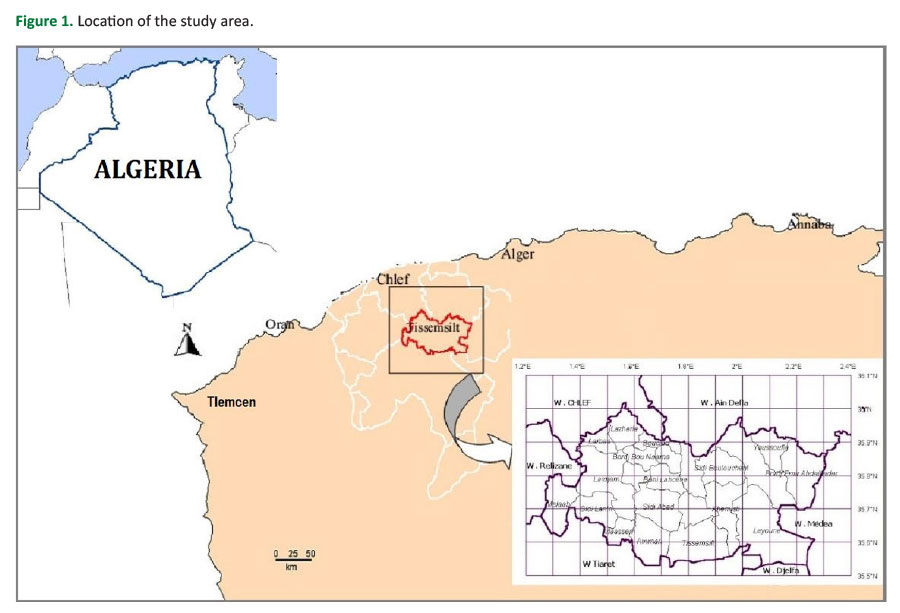 Figure 1. Location of the study area.
The region has a Mediterranean climate, semi-arid with cold winters, where January remains the wettest and coldest month and July the driest and hottest (Tir 2022).
Forest lands (forests, maquis and reforested areas) occupy approximately 24.31% of the territory of the wilaya of Tissemsilt, an area of 76,607 ha (CFT 2016), of which 6,071 ha are natural forests, 4,549 ha are integrated lands (areas legally incorporated into the forest estate for forestry purposes), and 11,344 ha are reforested areas established through afforestation and reforestation programs aimed at strengthening the vegetation cover. They are primarily found in the Ouarsenis Mountains located in the north of the wilaya (Tir 2022). The flora of the Tissemsilt forests is diverse, and the tree layer, dominated by Pinus halepensis Miller, occupies a significant portion of these forests. On slopes with favorable soil and moisture conditions, this species forms more or less dense stands. Other shrub species are also present, such as Quercus ilex L., Tetraclinis articulata (Vahl) Masters, Olea europaea subsp. europaea var. sylvestris (Mill.) Lehr., and Cedrus atlantica (Endl.) Manetti ex Carriere (Tir 2022).
The physical environment in this region is characterized by a dissected and rugged relief, with fairly steep slopes in the northern part. In the south, the land slopes down with monotonous forms and the slopes become progressively gentler (DRE 2008).
In Tissemsilt, forests cover about 60,714 ha, representing a forest cover ratio of 19.26% (DGF 2014). This relatively limited forest area is subject to increasing anthropogenic and zoogenic pressures, including grazing, overgrazing, and illegal hunting, but especially fires (Tir 2022), the regeneration of which remains poor (Tir et al. 2021). According to the fire statistics from the Tissemsilt forest conservation, 1,787 fires were recorded between 1985 and 2021, causing a loss of 23,580 ha, an annual average of 49 fires and 655 ha. Despite the alarming nature of the situation, the causes of the fires remain unknown in almost all of its forested geographical area.
To achieve the predefined objectives, we conducted a survey (questionnaire) among foresters on the front lines of forest fires. This survey was structured according to the Delphi method, which can be used when knowledge of a problem or phenomenon is incomplete (Turoff and Linstone 2002, Grisham 2009). It is based on an ad hoc constructed questionnaire drawing on the knowledge of a panel of experts, with the aim of constructing a preliminary predictive model based on their statements on questions for which there is no absolute answer (Skulmoski et al. 2007).
Lovreglio et al. (2006) show that the Delphi technique is a promising approach for improving understanding of the underlying causes and motivations. This research method is designed to generate ideas and facilitate consensus among individuals with specialized expertise through a series of questionnaires addressed to a carefully selected panel of experts. The technique has proven effective in eliciting informed opinions in situations where precise knowledge is lacking, such as in the case of forest fires.
For our research, a total of 84 forestry professionals were interviewed during two wildfire prevention campaigns (June to October) of 2023–2024 and 2024–2025. The questionnaire gathered useful information on rank (officers and non-commissioned officers), level of education, training (university or specialized at the national school and/or training centers), and, most importantly, each forester's professional experience. The aim was to identify the probable causes of the fires among the most experienced individuals.
The fire causes were subsequently grouped and classified into 16 cause categories according to the harmonized classification scheme of forest fire causes proposed by the European Union in 2013 (Camia et al. 2013), which is not a mandatory act but was rather published with the aim of encouraging countries participating in the EFFIS network to improve and homogenize the information on the forest fire ignition sources (Tedim et al. 2022).
The survey was deployed in three stages (Figure 2):
In the first stage, we invited participants to provide a list of the causes of forest fires, regardless of their importance, which allowed us to establish a nomenclature of possible causes of fires in Tissemsilt forests;
In the second stage, participants were asked to choose the ten most relevant and appreciable causes of fires from the list of reasons proposed (the results of the first questionnaire);
In the third stage, forestry practitioners were asked to rank the ten reasons (receiving the most votes) in descending order of importance from 1 to 10. During this phase, we only considered the causes ranked in the first three places.
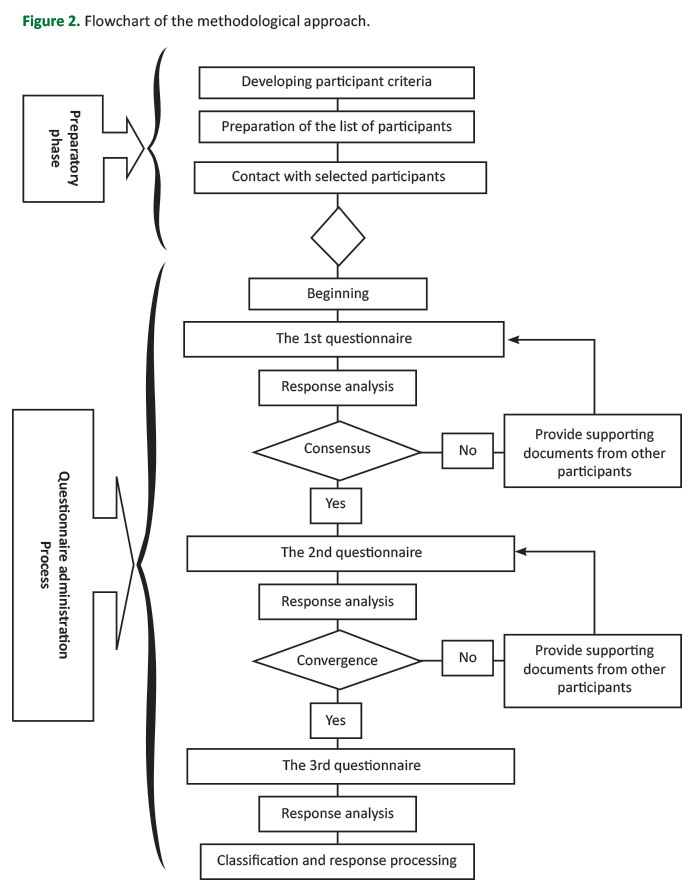 Figure 2. Flowchart of the methodological approach.
RESULTS
The experts involved in our investigation are foresters from the Tissemsilt forest conservation service. Table 1 shows their profiles, including their level of education, rank, and professional experience.
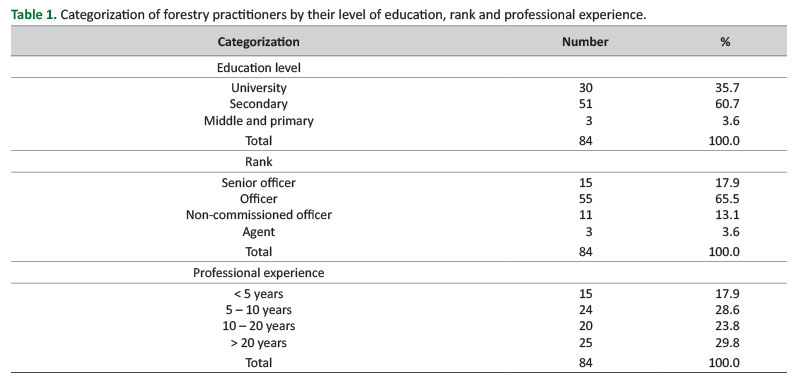
The classification of forestry practitioners by level of education reveals that the secondary level dominates (51 individuals; 60.7%), followed by the university level with (30 individuals; 35.7%), and the middle and primary levels (3 individuals; 3.6%). Officers make up the vast majority of these forestry practitioners (55 individuals; 65.5%), followed by senior officers (15 individuals; 17.9%), non-commissioned officers (11 individuals; 13.1%) and agents (3 individuals; 3.6%). The categorization of experts by years of professional experience reveals the predominance of workers with extensive experience in the field of forest fire intervention, with more than 20 years of professional experience (25 individuals; 29.8%), followed by the category of 5 to 10 years (24 individuals; 28.6%), and the category of 10 to 20 years. Finally, there are only 15 individuals (17.9%) with less than 5 years of experience.
Based on the results of the first questionnaire, an exhaustive list of 24 probable local causes of forest fires in Tissemsilt was established, and the causes were grouped and classified into 16 cause categories (Table 2).
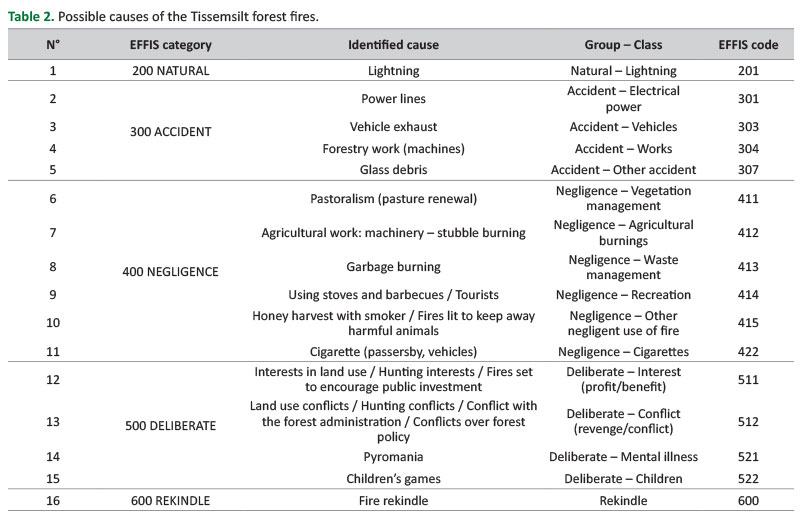 Table 2. Possible causes of the Tissemsilt forest fires.
The answers obtained after the distribution of the second questionnaire reflect the most frequent causes detected. Table 3 displays the number of votes with which each cause was indicated by the forestry practitioners.
Deliberate and negligence-related activities constituted the dominant causes of wildfire ignition in the dataset. The highest proportion was associated with Deliberate – Conflict (revenge/conflict), which received 83 votes (12.1%), indicating that intentional fire-setting linked to social or interpersonal disputes was perceived as the principal cause.
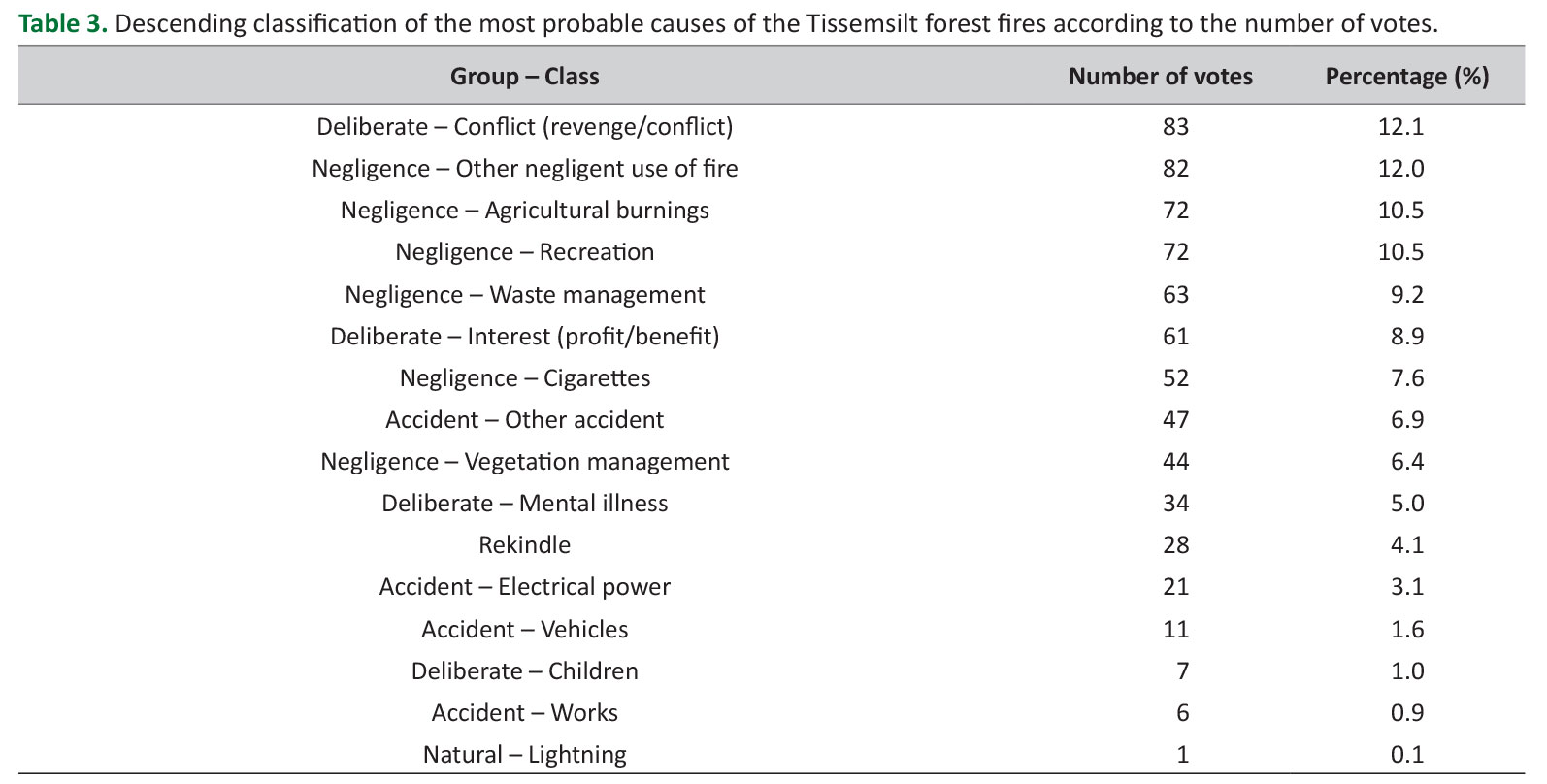
Negligence categories collectively accounted for a substantial share of the responses. Negligence – Other negligent use of fire (with barbecue or by tourists) represented 82 votes (12.0%), while both Agricultural burnings and Recreational activities accounted for 72 votes each (10.5%). In addition, Waste management practices contributed by 63 votes (9.2%), highlighting the important role of unsafe human behavior and inadequate fire control practices in wildfire occurrence.
Intentional fire-setting motivated by economic or personal benefits (Deliberate – Interest (profit/benefit)) represented 61 votes (8.9%). Negligence associated with Cigarettes and Vegetation management also showed considerable contributions, accounting for 7.6% and 6.4% of the votes, respectively.
Accidental causes were less frequently reported. Other accidents (Glass debris) accounted for 47 votes (6.9%), whereas accidents related to Electrical power and Vehicles represented 3.1% and 1.6% of the responses, respectively. Additional deliberate causes, including Mental illness (5.0%), Children (1.0%) and Works (0.9%), remained relatively limited.
Natural causes were almost absent from the dataset, with Lightning accounting for only 0.1% of the total votes. Overall, the findings demonstrate that wildfire ignitions were overwhelmingly associated with anthropogenic factors, particularly negligence and deliberate actions.
In the category of causes of forest fires, interesting results were obtained by ranking them in descending order of importance from one to ten, as presented in Table 4. The responses of forestry practitioners are relatively uniform and convergent.
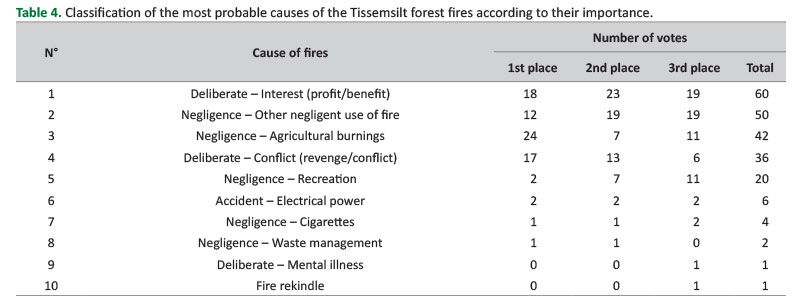
The results indicate that deliberate fire-setting motivated by economic interest (profit/benefit) was perceived as the leading cause of fires, with a total of 60 votes distributed relatively evenly across first, second and third order rankings (18, 23 and 19 votes, respectively). This distribution reflects a strong and consistent recognition among respondents of the importance of economically motivated arson.
Negligence associated with the improper or careless use of fire ranked second overall, receiving 50 votes. Although this category obtained fewer first order rankings with 12 votes, its high number of second and third order votes (19 each) suggests that respondents widely acknowledged it as a major contributing factor to fire occurrence. Agricultural burnings constituted the third most cited cause, with 42 votes. This category received the highest number of first order votes (24), indicating that many respondents regarded it as the primary source of fires, despite its comparatively lower rankings in the second and third orders.
Deliberate fires linked to conflict or revenge accumulated 36 votes, highlighting the influence of social interpersonal tensions on fire incidence. Recreational negligence was less prominent but still notable, with a total of 20 votes.
In contrast, the remaining categories were only marginally represented. Accidental fires related to electrical power received 6 votes, while negligence involving cigarettes accounted for 4 votes. Waste management negligence was cited only twice, and deliberate fires associated with mental illness and fire rekindling received a single vote each (Figure 3).
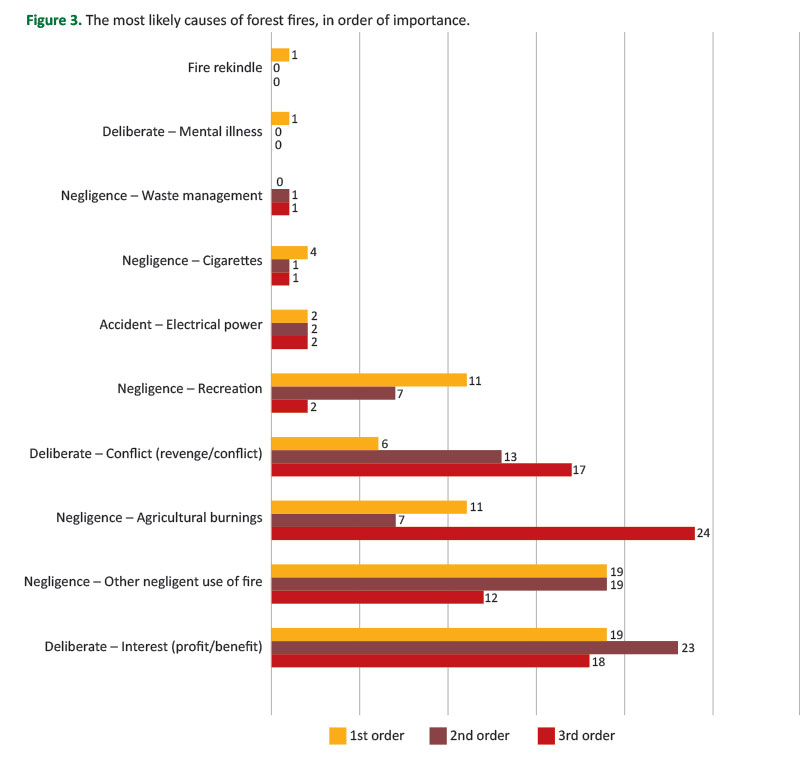 Figure 3. The most likely causes of forest fires, in order of importance.
DISCUSSION
The Delphi survey results indicate that Tissemsilt forest experts largely attribute wildfire ignitions to anthropogenic factors, with deliberate and negligence-related causes accounting for the overwhelming majority of experts’ votes, whereas natural causes such as lightning were considered negligible. This consensus highlights the predominant role of human activities in the wildfire occurrence and suggests that fire risk in Tissemsilt forests is driven more by socio-economic and behavioural factors than by ignition sources.
The predominance of anthropogenic causes identified in the present Delphi survey corroborates the finding of previous Delphi-based investigations conducted in the Kabylie region (Algeria) by Meddour-Sahar et al. (2013, 2014), wherein these experts confirm that unintentional incidents are the most probable cause of fires. Furthermore, the responses were focused on fires of anthropogenic origin, whether accidental, unintentional or intentional, because fires of natural origin (lightning) are almost unknown in the country (Madoui 2002, Berrichi et al. 2013, Meddour-Sahar and Bouisset 2013, Meddour-Sahar et al. 2014, Tir et al. 2021), which explains the only response on fires caused by lightning, which seems rather scattered and unusual.
Comparable results have also been reported across the Mediterranean basin. Using the Delphi technique, Lovreglio et al. (2010) found that more than 80% of the experts attributed wildfire ignitions to involuntary causes, particularly the agricultural use of fire, while motives related to seasonal employment and economic benefits were identified among the main drivers of deliberate fire-setting in southern Italy. In the same region (Southern Italy), De Las Heras et al. (2007) confirmed the predominance of involuntary wildfires, often associated with agricultural activities, while also emphasizing that fire ignition motivations are highly site-and culture-specific across different case studies.
Using the same approach, Tedim et al. (2022) reported across 11 European countries that agricultural burning received the highest score among wildfire causes, followed by deliberate fire-setting for profit and vegetation management activities. The authors further concluded that most wildfire ignitions stem from negligence-related behaviours, while the contribution of fire-setting may be overestimated, although substantial differences exist among countries. These findings are broadly consistent with the present study, where agricultural burning, other negligent uses of fire, and deliberate motives associated with personal benefits were among the highest-ranked wildfire ignition drivers.
In this general context, Costa et al. (2010) confirm that in the Mediterranean region, the outbreak of fires is strongly conditioned by human behaviour and socio-economic activities with approximatively 95% of fires in this region being caused by humans (Leone et al. 2009). Butler and Löf (2025) mention that wildfires can expose underlying conflicts and injustices that are institutionally embedded within the existing land-use governance systems, particularly in regions where competing socio-economic interest and territorial tension shape human-forest interactions. In fact, fire is a traditional instrument for the management of Mediterranean ecosystems, the long-established use of which in agriculture, silviculture and livestock-breeding has been documented, as well as being used in rituals and customs (Leone 2000).
The use of smokers for honey harvesting (other negligent use of fire) and ignorance associated with agricultural practices (agricultural burnings) within or on the edge of forests are the primary causes of fires. In this regard, Rahmani and Benmessaoud (2019) confirm that human activities, especially agricultural practices such as honey harvesting through smoking, land clearing on peripheries (including pastoral fire and burning of vegetation), agricultural abandonment and activities at the interface of habitat and forest areas, can exacerbate the proliferation of forest fires. These regions are considered key reference areas for modelling and mapping forest fire risk.
Madoui (2013) indicates that nearly all fires documented in eastern Algeria occur during the summer months of June, July, August and September, coinciding with the period of significant forest activity including grazing, honey collection, and fruit harvesting.
Interests or conflicts about land utilization are not only major causes of forest fires, as per our experts, but also of utmost importance. Faerber (2000) shows that fire has undoubtedly been the primary technique used to clear mountainous terrain. Furthermore, conflicts with forestry administrations also remain a significant contributing factor. Arfa et al. (2018) show that the main motivations that drive livestock farmers to set fire are multiple: the regeneration of rangelands, the opening of dense scrubland, or simply out of a spirit of revenge towards the forestry administration in case of conflict with it on the regulation of grazing in the forest. Regarding farmers, the motivations are primarily driven by the practice of slash-and-burn agriculture and land clearing (deforestation by fire). The same authors remark that there is a very strong negative correlation between the number of fires and the distance to farms and rural houses, and conversely, the closer one gets to farms and rural houses, the more fires occur.
Recreational activities remain a significant contributing factor to fires in the Tissemsilt region in particular and in Algeria overall. The use of camping stoves and barbecues (Negligence – Recreation) presents a significant fire ignition hazard (Meddour-Sahar et al. 2014). These recreational activities in the forests are logically contingent upon the presence of forestry infrastructure (roads and tracks). Roads play an important role in managing fires in national forests (Aplet et al. 2026). Narayanaraj et al. (2012) find that human-caused ignitions were concentrated close to roads, in high road density areas, and near the wildland-urban interface.
Humans also play a role as fire hotspots are concentrated in croplands and in populated areas with high human density and infrastructures mixed with shrublands and forests in Algeria (Curt et al. 2020). The results of modelling environmental drivers and socio-economic/human predictors of forest fire outbreaks in Algeria by Kahli et al. (2026) revealed that increased proximity to urban areas significantly raised the fire risk, while greater distance to cropland and higher wet forest coverage were associated with decreased fire risk. Khelali et al. (2026) reached the same conclusions in their study whose results show that the approximate areas of roads and agglomerations are the most vulnerable to forest fires.
Frequently, smoking materials, including cigarettes, are deposited into wildland areas before they have been fully extinguished; thus, occasionally these materials ignite dry brush, grass or other natural vegetation, producing a wildland fire (Butry et al. 2014). Of the six categories taken into consideration regarding fires caused by negligence, fires caused by cigarettes are the 4th most important cause, indicating moderate but not negligible contribution of the overall fire regime of the study area. The same cause was ranked 3rd of three negligence causes in Southern Italy in the study by Lovreglio et al. (2010). Discarded cigarette butts are one of the most common causes of wildfires and are difficult to detect because they have no relationship to any environmental variable since cigarettes may be thrown from cars, roads, campsites and residential areas. For this reason, it is difficult to identify areas that are prone to wildfires caused by cigarette butts and that need to be examined or spatially determined, considering the land use variable. Although the reason is simple, prevention is difficult (Sari 2023).
Causes related to negligent waste management contribute significantly to fires in the study area according to the overall number of votes. This undoubtedly stems from informal waste management practices, such as the open burning of household or agricultural waste, which greatly increase the risk of fires. These fires can easily spread to forested areas, especially in a climate characterized by hot, dry summers, typical of many regions in Algeria. This theory was confirmed by the work of Meddour-Sahar et al. (2014) who investgated the causes of forest fires in Algeria. Their comparative analysis, using the Delphi method, examined the factors cited by Civil Protection personnel, who were most consistently related to situations where negligence and accidental events dominated the operational scenario. However, their interpretation of the phenomenon was influenced by their lived experience and work history. The factors they identified supported this approach because they referred to concrete situations: discarded cigarette butts, careless burning, burning of waste, etc.
While power lines are a common cause of fires, experts consider them not to be among the most significant. According to Belkaid (2016), accidental (unintentional) fires in Algeria are primarily caused by electrical discharges or arcs from high-voltage lines and motorized equipment emitting sparks.
Lightning strokes produce about 5% of forest fires in the Mediterranean basin and are one of the most important precursors of the largest forest fires during the summer (Pérez-Invernón et al. 2021). In this context, Curt et al. (2020) confirm that the world lightning strike map shows that lightning strikes are rare in northern Algeria and for this reason the causes of fires related to lightning remain very low or even negligible according to experts.
CONCLUSIONS
Understanding the causes of fires is the cornerstone of every effective prevention policy. Indeed, a better understanding of the causes of forest fires can help identify appropriate preventive measures and thereby contribute to reducing their occurrence. The results of this study indicate that many fires are associated with human activities and traditional land-use practices in rural areas.
According to the consensus reached through the Delphi process with forestry experts, the most probable causes of forest fires in the study area are related to deliberate actions and negligence. Deliberate causes were ranked highest, particularly those associated with personal interest or expected benefits from land use, followed by other negligent uses of fire. Among negligence-related causes, agricultural burnings were identified as a major contributor, while deliberate fires linked to conflicts or acts of revenge and negligent recreational activities were also considered important drivers. These findings reflect expert judgment regarding the most likely fire causes rather than confirmed ignition sources. Therefore, establishing a dedicated fire investigation unit would be essential for determining fire causes with greater certainty and for designing more targeted prevention measures. Furthermore, the limited implementation of monitoring and prevention strategies continues to hinder effective forest fire management in the region.
Author Contributions
BN and ET wrote the manuscript, ET collected the field data, BN, HB, SAA processed the data and performed the statistical analysis, DH, BM, AS supervised the research and helped to draft the manuscript.
Funding
This research received no external funding.
Acknowledgments
The authors express their sincere gratitude to all the foresters of the Tissemsilt Forest Conservation, Algeria, whose valuable contributions made this investigation possible.
Conflicts of Interest
The authors declare no conflict of interest.
REFERENCES
Aplet GH, Hartger P, Dietz MS, 2026. Three-decade record of contiguous - US national forest wildfires indicates increased density of ignitions near roads. Fire Ecol 22(1): 8. https://doi.org/10.1186/s42408-026-00450-2
Arfa A, Benderradji M, Saint-Gérand T, Alatou D, 2018. Spatiotemporal evolution of wildfires in North-eastern Algeria: Case of the Province of El Tarf. J New Sci CIRS2017 (4): 3275-3285.
Belkaid H, 2016. Analyse spatiale et environnementale du risque d’incendie de forêt en Algérie: Cas de la Kabylie maritime. PhD Thesis, Univesity Nice Sophia Antipolis, Nice, France, 306.
Benguerai A, Benabdeli K, Harizia A, 2019. Forest fire risk assessment model using remote sensing and GIS techniques in Northwest Algeria. Acta Silv Lignaria Hung 15(1): 9-21. https://doi.org/10.2478/aslh-2019-0001
Berrichi M, Benabdeli K, Letreuch-Belarouci N, Haddouche D, 2013. Feux de forêts en Algérie: entre points de vue des écoliers et politique de la prévention. Mediterr Ser estud biol época II 24: 32-159. https://doi.org/10.14198/MDTRRA2013.24.05
Borsali AH, Benabdeli K, Gros R, 2014. Dynamique structurelle de la végétation en zone semi-aride: cas de la forêt de Fénouane (monts de Saida, Algérie occidentale). Afr sci 10(2): 419-433.
Butler A, Löf A, 2025. Forest fires, conflict, and disrupted landscapes. In: Qviström M (eds) A Research Agenda for Landscape Studies of Planning. Edward Elgar Publishing, Cheltenham, UK, 59-74. https://doi.org/10.4337/9781803929705.00010.
Butry DT, Prestemon JP, Thomas DS, 2014. Investigation of the decline in reported smoking-caused wildfires in the USA from 2000 to 2011. Int J Wildland Fire 23(6): 790-798. http://dx.doi.org/10.1071/WF13146.
Camia A, Durrant Houston T, San-Miguel-Ayanz J, 2013. Harmonized Classification Scheme of Fire Causes in the EU Adopted for the European Fire Database of EFFIS. EUR 25923, Publications Office of the European Union, Luxembourg. https://doi.org/10.2788/86859.
CFT, 2016. Conservation des Forêts de la Wilaya de Tissemsilt. Service de la gestion du patrimoine, études et programmes (Le sénatus-consulte).
Costa L, Thonicke K, Poulter B, Badek FW, 2010. Sensitivity of Portuguese forest fires to climatic, human, and landscape variables: subnational differences between fire drivers in extreme fire years and decadal averages. Reg Environ Chang 11(3): 543-551. https://doi.org/10.1007/s10113-010-0169-6.
Curt T, Aini A, Dupire S, 2020. Fire activity in Mediterranean forests (The Algerian case). Fire 3(4): 58. https://doi.org/10.3390/fire3040058
De Las Heras J, Salvatore R, Rodrigues MJ, Lovreglio R, Leone V, Giaquinto P, Notarnicola A, 2007. Wildfire motivation survey through the Delphi method. In: Proceedings of the Actas de la IV Conferencia Internacional Sobre Incendios Forestales, Sevilla, Spain, 1-10.
DGF, 2014. Direction Générale des Forêts, réunion de la commission nationale de protection des forêts. Alger, 19 May 2014.
DRE, 2008. Direction des Ressources en Eau. Schéma Directeur de la wilaya de Tissemsilt. Mission 1, Etat des lieux, 79.
Faerber J, 2000. De l'incendie destructeur à une gestion raisonnée de l’environnement: le rôle du feu dans les dynamiques paysagères dans les Pyrénées centrales françaises. Rev géogr Pyrénées Sud-Ouest 7(1): 69-79.
Górriz-Mifsud E, Burns M, Govigli VM, 2019. Civil society engaged in wildfires: Mediterranean forest fire volunteer groupings. For Policy Econ (102): 119-129. https://doi.org/10.1016/j.forpol.2019.03.007
Grisham T, 2009. The Delphi technique: A method for testing complex and multifaceted topics. Int J Manag Proj Bus 2(1): 112-130. https://doi.org/10.1108/17538370910930545
Haddouche D, Benhanifia K, Gacemi M, 2011. Analyse spatiale de la régénération forestière post-incendie de la forêt de Fergoug à Mascara, Algérie. Bois For Trop 307(1): 23-31. https://doi.org/10.19182/bft2011.307.a20478
Kahli A, Sahnouni R, Saoula H, Chenchouni H, 2026. Modeling environmental drivers and socio-economic/human predictors of forest fire outbreaks in Algeria. Nat Hazards 122(8): 334. https://doi.org/10.1007/s11069-026-08061-5
Khelali M, Bouhata R, Djabri AD, Kadid S, Jung A, 2026. Geomatics approach to assessment and mapping of forest fires vulnerability in Eastern Auras, Algeria. Appl Geomat 18(1): 53. https://doi.org/10.1007/s12518-026-00703-4
Leone V, 1990. Causes socio-économiques des incendies de forêts dans la région de Bari (Pouilles, Italie). Forestière française XLII (n° spécial): 332-336.
Leone V, 2000. Sociological aspects in the phenomenology of forest fires. In: Ciancio O (eds) The forest and man. Accademia Italiana di Scienze Forestali, Florence, Italy, 305-324.
Leone V, Lovreglio R, Martín MP, Martínez J, Vilar L, 2009. Human factors of fire occurrence in the Mediterranean. Earth observation of wildland fires in Mediterranean ecosystems, Berlin, Heidelberg: Springer Berlin Heidelberg, 149-170. https://doi.org/10.1007/978-3-642-01754-4_11
Lovreglio R, Leone V, Giaquinto P, Notarnicola A, 2006. New tools for the analysis of fire causes and their motivations: The Delphi technique. Forest Ecol Manag 234 (S18). 10.1016/j.foreco.2006.08.034
Lovreglio R, Leone V, Giaquinto P, Notarnicola A, 2010. Wildfire cause analysis: four case-studies in southern Italy. iForest 3(1): 8-15. https://doi.org/10.3832/ifor0521-003
Madoui A, 2002. Les incendies de forêt en Algérie. Historique, bilan et analyse. Forêt méditerranéenne 23(1): 23-30.
Madoui A, 2013. Les incendies de forêts en Algérie. Étude de l’évolution après feu des peuplements de Pinus halepensis Mill. Dans l’Est algérien. Cas de la forêt de Bou-Taleb, du reboisement de Zenadia et du parc national d’el Kala. PhD Thesis, Univesity Ferhat ABBAS de Sétif, Sétif, Algeria, 133.
Meddour-Sahar O, 2008. Contribution à l’étude des feux de forêts en Algérie: approche statistique exploratoire et socio-économique dans la wilaya de Tizi Ouzou. Mémoire de Magister, Institut National d'Agronomie El Harrach, Algérie, 275.
Meddour-Sahar O, Bouisset C, 2013. Les grands incendies de forêt en Algérie: problèmes humains et politiques publiques de gestion des risques. Méditerrané: Journal of Mediterranean geography 121: 33-40. https://doi.org/10.4000/mediterranee.6827
Meddour-Sahar O, Meddour R, Leone V, Derridj A, 2014. Motifs des incendies de forêt en Algérie: analyse comparée des dires d'experts de la Protection Civile et des Forestiers par la méthode Delphi. VertigO- la revue électronique en sciences de l'environnement 14(3): 1-16. https://doi.org/10.4000/vertigo.15462
Missoumi A, Tadjerouni K, 2003. SIG et imagerie ALSAT 1 pour la cartographie du risque d’incendie de forêt. Second FIG Regional Conference, Marrakech, Morocco, December 2-5 2003, 14.
Mou G, 2015. Sviluppo di tecniche innovative per la gestione integrata dei combustibili nella prevenzione degli incendi boschivi in foreste mediterranee. Università DeglI Studi Di Sassari, Scuola Di Dottorato Di Ricerca, Italia, 169.
Narayanaraj G, Wimberly MC, 2012. Influences of forest roads on the spatial patterns of human-and lightning-caused wildfire ignitions. Appl Geogr 32(2): 878-888. https://doi.org/10.1016/j.apgeog.2011.09.004.
Oliveira S, Félix F, Nunes A, Lourenço L, Laneve G, Sebastián-López A, 2018. Mapping wildfire vulnerability in Mediterranean Europe. Testing a stepwise approach for operational purposes. J Environ Manage 206: 158-169. https://doi.org/10.1016/j.jenvman.2017.10.003
Pérez-Invernón FJ, Huntrieser H, Soler S, Gordillo-Vázquez FJ, Pineda N, Navarro-González J, Reglero V, Montanyà A, Van der Velde O, Koutsias N, 2021. Lightning-ignited wildfires and long continuing current lightning in the Mediterranean Basin: preferential meteorological conditions. Atmos Chem Phys 21(23): 17529-17557. https://doi.org/10.5194/acp-2021-125
Rahmani S, Benmessaoud H, 2019. Modélisation et cartographie du risque incendie de forêt dans la partie orientale des Aures (Algérie). Forêt méditerranéenne 40(4): 435-446.
Ramade F, 1997. Conservation des écosystèmes méditerranéens: enjeux et prospective. Plan Bleu, fascicule n° 3 - Ed. Economica, PNUE, Paris, 189.
Ruffault J, Curt T, Moron V, Trigo RM, Mouillot F, Koutsias N, Pimont F, Martin‑StPaul N, Barbero R, Dupuy JL, Russo N, Belhadj-Khedher C, 2020. Increased likelihood of heat-induced large wildfires in the Mediterranean Basin. Sci Rep-Uk 10(1): 13790. https://doi.org/10.1038/s41598-020-70069-z
Sahar O, Hamel H, Meddour R, 2020. Etude des grands feux de forêts en Algérie: Cas de la wilaya de Tizi Ouzou. Geo-Eco-Trop 44(3): 427-442.
Sari F, 2023. Identifying anthropogenic and natural causes of wildfires by maximum entropy method-based ignition susceptibility distribution models. J For Res 34(2): 355-371. https://doi.org/10.1007/s11676-022-01502-4
Skulmoski GJ, Hartman FT, Krahn J, 2007. The Delphi Method for Graduate Research. J Inf Technol Educ Res 6: 1-21.
Tàbara D, Saurí D, Cerdan R, 2003. Forest fire risk management and public participation in changing socioenvironmental conditions: a case study in a Mediterranean region. Risk Anal 23(2): 249-260. https://doi.org/10.1111/1539-6924.00305
Talbi O, Benabdeli K, Benhanifia K, Haddouche D, 2017. Cartographie des zones de risque de feux de forêt dans la commune de Doui Thabet, Saïda, Algérie. Int J Environ Stud (75): 543-552. https://doi.org/10.1080/00207233.2017.1386434
Tedim F, Leone V, Lovreglio R, Xanthopoulos G, Chas-Amil ML, Ganteaume A, Efe R, Royé D, Fuerst-Bjeliš B, Nikolov N, Musa S, Milenković M, Correia F, Conedera M, Boris Pezzatti G. 2022. Forest fire causes and motivations in the southern and South-Eastern Europe through experts’ perception and applications to current policies. Forests 13(4): 562. https://doi.org/10.3390/f13040562
Tir E, 2022. Investigation et cartographie post-incendie forestières dans la wilaya de Tissemsilt. PhD Thesis, Univesity Aboubakr Belkaїd, Tlemcen, Alegria, 157.
Tir E, Haddouche D, Nouar B, Maamar B, 2021. Spatial analysis of the regeneration after fire in forest of Lardjem (Wilaya of Tissemsilt, Algeria). Biodivers J 12(4): 847-853. https://doi.org/10.31396/Biodiv.Jour.2021.12.4.847.853
Turoff M, Linstone HA, 2002. The Delphi method techniques and applications, E-Book, 616.
Van der Schriek T, Varotsos KV, Karali A, Giannakopoulos C, 2024. Wildfire burnt area and associated greenhouse gas emissions under future climate change scenarios in the Mediterranean: Developing a robust estimation approach. Fire 7(9): 324. https://doi.org/10.3390/fire7090324
Velez R, 2001. Fire Situation in Spain. In: Pugliese P (eds) Global Forest fire assessment 1990-2000. FAO, forestry department, working paper, Rome, Italy, 55.
© 2026 by the author(s). License: Croatian Forest Research Institute. This article is an open access article distributed under the terms and conditions of the Creative Commons Attribution 4.0 International License (CC BY 4.0).